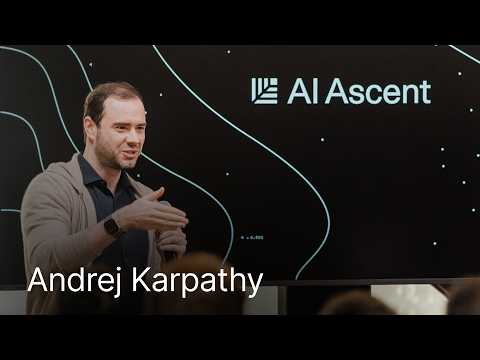
Follow the work, not the hype.
The useful sources are usually close to practice. We look for builders showing their process, failures, constraints, and finished evidence. Talks and technical explainers provide depth. A quiet Hacker News view provides breadth without turning the feed into the work.
Structured courses and books provide a slower foundation. A source earns a permanent place only when it changes how we plan, build, verify, protect data, or explain a product to a customer.
The bottleneck moved to judgment.
Better coding agents can inspect a repository, propose work, implement changes, run checks, and recover from errors. People still choose the direction, define what good means, and review consequential outcomes.
Intent and tradeoffs matter more than a long sequence of instructions. Tests, screenshots, budgets, and direct review give the loop something real to optimize. Durable repository instructions preserve the constraints and decisions worth carrying into the next session.
Make every build improve the next one.
The studio workflow is a closed loop. Explore the customer problem and current system. Frame the intended outcome and evidence. Build inside clear boundaries. Verify the real artifact. Distill the useful decisions back into the repository.
The shipped result matters, but the checks, methods, and decisions left behind are what compound. Each finished project should make the next project easier to direct and harder to misunderstand.
Draw the boundary before granting power.
An agent becomes risky when private data, untrusted input, and an outbound action meet without a meaningful approval point. Remove one leg, isolate the work, or require a person to approve the consequential step.
The customer should be able to see what evidence supports an action, where their data can travel, and how to recover when the system is wrong. Logs and reversibility are part of the product, not cleanup work.
Turn the method into useful products.
Record Maps makes fragmented public records researchable while keeping every fact attached to its source, definition, and observation date. One product protects attention. The other protects evidence.
Keep a useful source library.
Tools change quickly, so the shelf combines current practice with durable foundations. We return to people showing real agent workflows, designers explaining how judgment works, and courses or books that make the underlying systems easier to reason about.
The collection below keeps the full verified video watchlist and the slower references we return to. Grouping each item by the decision it helps with makes a large archive useful without turning it back into a feed.